The Furniture Business Is Harder Than It Looks. Here's What Changes When You Join a Brand.
A few years ago, a friend of mine decided to open a furniture store.
He had good taste, some savings, a solid network of potential customers, and a genuine enthusiasm for interior design. On paper, it seemed like the right ingredients. He found a location, signed a lease, spent several months sourcing products from various manufacturers, built out a showroom, and opened.
Two years later, he closed.
Not because the market wasn’t there. Not because he wasn’t capable. But because running a furniture business independently involves a set of structural problems that don’t become visible until you’re already inside them — and by the time they’re visible, you’ve already committed significant capital and time to a model that makes those problems very hard to solve.
I watched the whole thing from close range. And I’ve thought a lot about what would have needed to be different for it to work.
The Problems That Don’t Show Up in the Business Plan
When most people think about opening a furniture showroom, they think about the visible things: a space, products to display, customers to attract. These are real requirements. But the actual difficulty of the business lives in the layers underneath.
Supplier relationships take years to build.
A furniture store’s competitive position depends significantly on what it can source and at what price. The manufacturers who offer the best product quality and the most favorable pricing terms don’t start there with a new buyer. They start with their standard minimums, standard pricing, and standard lead times — which are the same terms offered to everyone who walks in the door. The better terms — lower minimums, priority scheduling, co-marketing support — come from years of order history and relationship depth.
My friend spent the first six months discovering that the manufacturers he’d planned to work with required order volumes he couldn’t yet justify. He pivoted to smaller, more accessible suppliers. The products were fine, but they weren’t the products he’d originally envisioned for the showroom, and they weren’t coming at the margins he’d planned for.
Product development is invisible work that costs real money.
A furniture showroom needs products that are distinctive enough to attract customers and comprehensive enough to close sales across different room types, budgets, and styles. Building that range from scratch — developing products with manufacturers, commissioning samples, refining specifications, managing revisions — is expensive, slow, and uncertain. A sample that doesn’t work is a cost with no return. A product that makes it to the showroom floor but doesn’t sell is inventory capital tied up with no recovery timeline.
Independent operators typically end up with either a range that’s too narrow (limiting customer options and reducing conversion) or a range assembled from too many sources (creating inconsistency in quality, lead times, and after-sales support). Neither is a good position.
Customers have to trust you before they’ll spend money with you.
Furniture is not an impulse purchase. A customer spending money on a custom wardrobe or a kitchen’s worth of cabinetry is making a decision with a long time horizon. They need to believe that what they order will arrive correctly, be installed properly, and be supported if anything goes wrong.
An independent showroom with no brand history is starting that trust-building from zero. Every customer interaction is also a credibility-building exercise. That’s sustainable over time — businesses build reputations — but it’s slow, and in the early years, a significant percentage of potential customers who would have bought from an established brand will not buy from an unknown one.
Operations don’t scale smoothly when you’re building the infrastructure yourself.
Measurement, design, production coordination, logistics, installation, after-sales — each of these is a process that needs to work reliably for the business to function. In an independent business, each of these processes has to be built and debugged from scratch. The measurement process needs to catch errors before production. The production coordination needs to track orders and flag delays. The installation team needs to know what to do with panels that arrive damaged. These are solvable problems, but solving them takes time and failures.
My friend spent most of his second year not selling furniture but fixing processes. Measurement errors that led to production reruns. Logistics problems that left customers waiting longer than promised. Installation issues that required the team to go back twice. Each of these cost money and damaged the trust he’d been building. By the time the processes were mostly working, the capital was mostly gone.
What Changes When You Join an Established Brand
The structural problems above aren’t eliminated by joining a brand. But they’re transformed — from problems you have to solve alone, at your own cost, from a standing start, into problems that have already been worked through before you arrive.
Supplier relationships are inherited, not built.
A brand with manufacturing depth behind it has already negotiated the terms that take years to earn independently. The production quality standards are set. The material specifications are documented. The minimum order quantities are set at levels the brand’s total volume justifies, not levels your individual showroom’s volume justifies. You’re entering a supply relationship on day one with the standing of an operation that has been running for years.
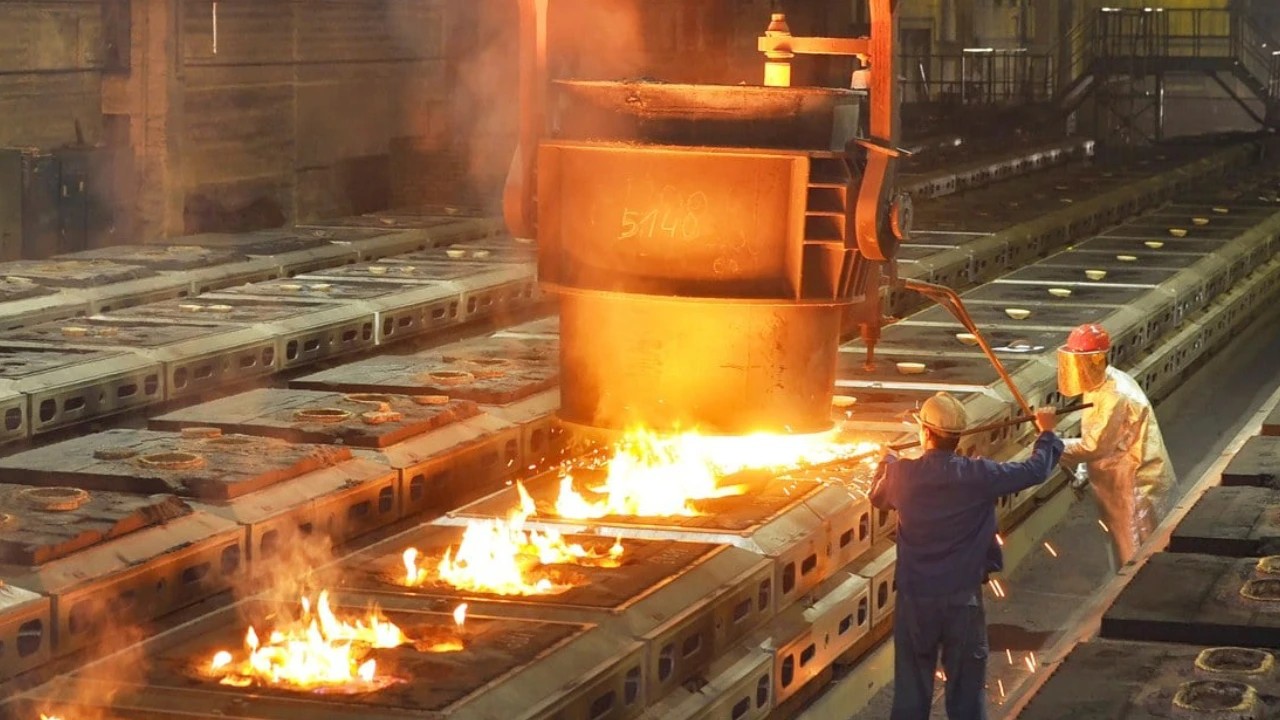
For custom cabinetry specifically, this matters enormously. The production of custom pieces — precise dimensioning, consistent finishes, coordinated delivery across multiple items — requires tight manufacturing control. A brand that produces at scale has invested in the systems and equipment that make this possible. An independent retailer trying to coordinate the same outcome across multiple smaller manufacturers is working against the grain of how those manufacturers are structured.
The product range exists and has been validated.
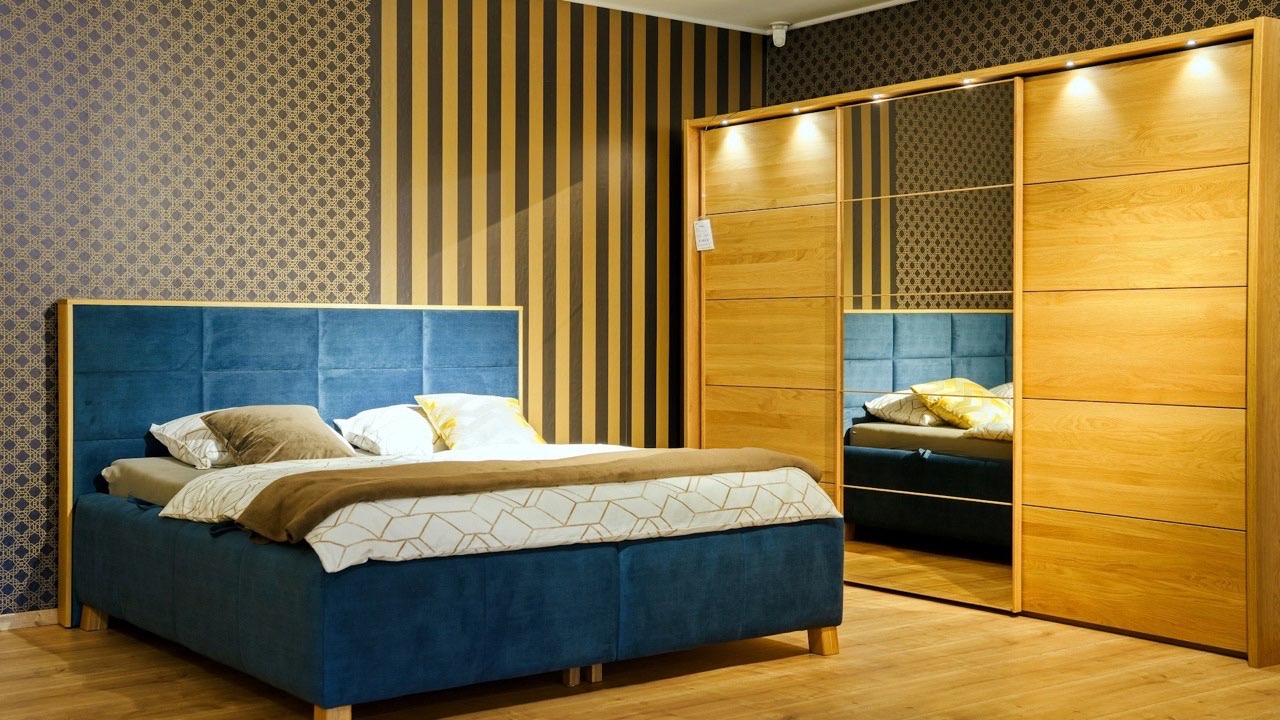
Walking into a franchise arrangement, the showroom range is not something you develop from scratch — it’s something you select from an existing portfolio that has been designed, sampled, tested, refined, and sold successfully in other markets. The decisions about which products belong in the range, at what specification, at what price point, have already been made and tested.
This removes an enormous amount of risk from the early operation. Instead of spending the first year discovering which products work and retiring the ones that don’t, a franchisee can spend that time learning the range and developing the customer relationships that drive sales.
Brand recognition does part of the trust-building for you.
A customer walking into a showroom that represents an established brand is not starting from zero trust. The brand’s existing reputation — its track record of completed projects, its history of customer relationships, its visible presence in the market — provides a credibility floor that an independent business has to earn from scratch.
This doesn’t mean franchisees don’t build local reputations. They do, and local reputation matters a great deal. But local reputation building is easier when there’s a brand foundation underneath it. “I’ve heard of them” is a meaningfully different starting point than “I’ve never heard of this company.”
Operational systems are given, not invented.
The measurement process, the design workflow, the production coordination system, the installation standards, the after-sales protocol — in an established franchise, these exist as documented processes that have been refined across many showrooms and many thousands of completed projects. A new franchisee inherits these systems rather than building them.
This is perhaps the most underappreciated advantage. The debugging that my friend spent his second year doing — catching errors in the measurement process, fixing the logistics workflow, building an installation team that knew what to do when things went wrong — has already been done, many times over, by the time a franchisee encounters it. The answers exist. The training to implement those answers is provided.
What a Franchisee Still Has to Bring
None of this means the franchisee’s role is passive. The structural advantages of a franchise arrangement create favorable conditions, but they don’t create success by themselves.
Local market knowledge is genuinely valuable and can’t be provided centrally.
A brand knows its products and its systems. It doesn’t know your local customers, your local competitors, or the specific design preferences of your market. A franchisee who understands their local market — what styles are popular, what price points are typical, what the competition looks like, where customers find design inspiration — will outperform a franchisee who relies entirely on brand guidance without developing local insight.
Customer relationships are built by the franchisee, not the brand.
The customer sitting across from you at a consultation is making a decision about whether to trust you with a project that will cost them significant money and live in their home for years. The brand provides credibility, but the relationship is built in the conversation. Franchisees who develop genuine expertise in understanding what customers actually need — and who can communicate that understanding clearly — convert at higher rates and generate repeat business and referrals.
Following the system matters, but judgment within the system matters too.
Franchise systems work because they’ve been developed and tested across many situations. Following the system is generally the right approach, especially early on. But no system covers every situation perfectly. The franchisees who perform best are usually those who know the system well enough to apply it appropriately in situations it wasn’t specifically designed for — and who know when to ask for support from the brand rather than improvising.
The Decision That Has to Come First
If you’re considering entering the furniture or interior design business — either independently or through a brand partnership — the most important decision is actually structural. Not which products to carry, not which location to choose, not what the showroom should look like. The most important decision is how you want to solve the supply chain, product development, and operational problems that every furniture business has to solve.
Going independent means solving them yourself, from scratch. That’s achievable but expensive, slow, and high-risk, particularly in the early years when you’re doing it with limited capital and no operating history.
Joining an established brand means inheriting solutions that have already been developed and tested. That changes the nature of the challenge from “building the infrastructure while simultaneously trying to run a business” to “running a business using infrastructure that already works.”
The question of whether a particular franchise is worth joining is a separate and important question — one that deserves its own careful analysis of the brand’s manufacturing capability, its track record in other markets, the support it actually provides versus what it promises, and the specific terms of the arrangement. For anyone seriously evaluating this path, reviewing the PIANO franchise information in detail is the logical starting point — not because it answers every question, but because it gives you the specific facts of one arrangement to evaluate against the framework above.
The structural argument for brand partnership in the furniture business is strong. Whether a specific brand is the right partner requires the kind of detail that only the brand itself can provide.